-
-
-
-
-
-
-
-
-
Why Choose
Hover to learn more Tap to learn more
UFP MedTech?


-
1963

1963
United Packaging Corporation incorporated; began operations as a supplier of engineered protective packaging.
-
1976

1976
Began precision molding cross-linked polyethylene foam.
-
1989
1989
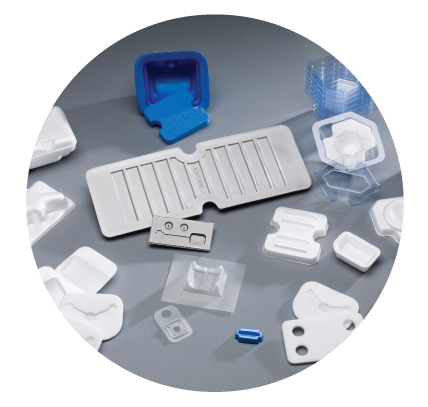
Introduced compression molded protective packaging for orthopedic implants using foams specific for medical applications.
-
1994

1994
UFP invests in cleanroom production capabilities to support our growing medical customer base.
-
2001
2001
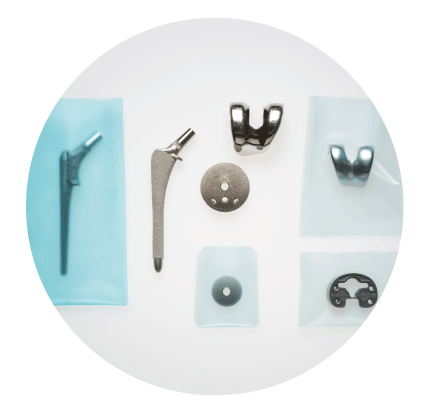
Introduced thermoplastic polyurethane (TPU) based pouches and bags to protect orthopedic implants.
-
2009

2009
First plants receive ISO 13485 certification and FDA registration.
-
2011
2011
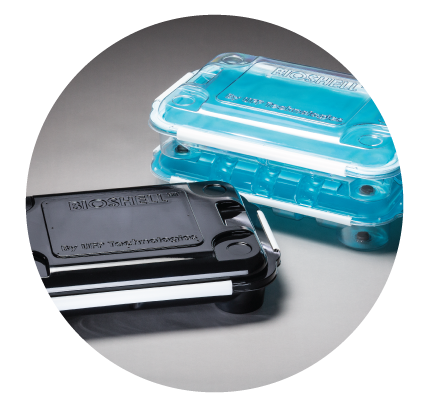
Introduced the BioShell®, a revolutionary container system designed to protect single-use bioprocess bags during storage, handling and shipping.
-
2013
2013
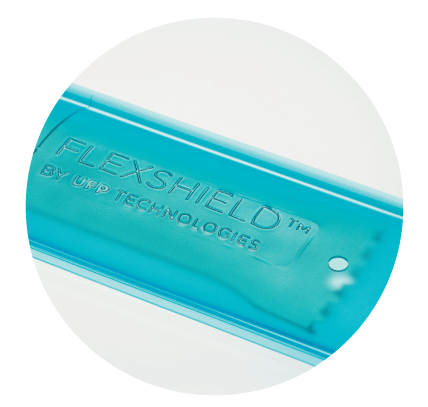
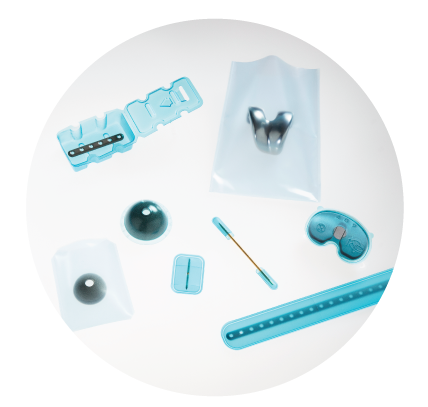
Introduced FlexShield®, a product line of thermoplastic polyurethane (TPU) medical device pouches for screws, rods, plates, and other instruments.
-
2017
2017
Expanded our FlexShield® product line to include sterile barrier integrity protection for virtually any medical device.
-
2018

2018
Acquired Dielectrics, founded in 1955 and located in Chicopee MA, a leader in the design, development, and manufacture of medical devices using thermoplastic materials as well as the innovator of the Reebok Pump introduced in 1989.
-
2021

2021
Acquired Contech Medical, founded in 1987 and headquartered in Providence, RI, with partner manufacturing in Costa Rica. Contech Medical is a global leader in the design, development, and manufacture of class III medical device packaging primarily for catheters and guidewires.
-
2021

2021
Acquired DAS Medical, founded in 2010 and headquartered in Atlanta, GA, with manufacturing in the Dominican Republic. DAS Medical is a medical device contract manufacturer specializing in the design, development and production of single-use surgical equipment covers, robotic draping systems and fluid control pouches.
-
2022

2022
Acquired Advant Medical, founded in 1993 and headquartered in Galway, Ireland, with operations in Costa Rica and partner manufacturing in Mexico. Advant Medical is a developer and manufacturer of Class I, II, and III medical devices and packaging.
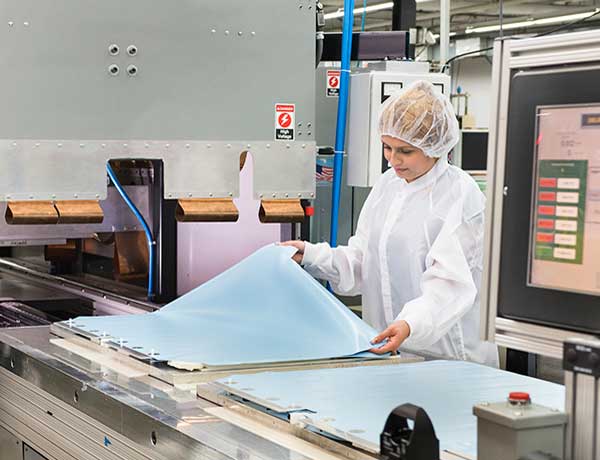
Chicopee, MA
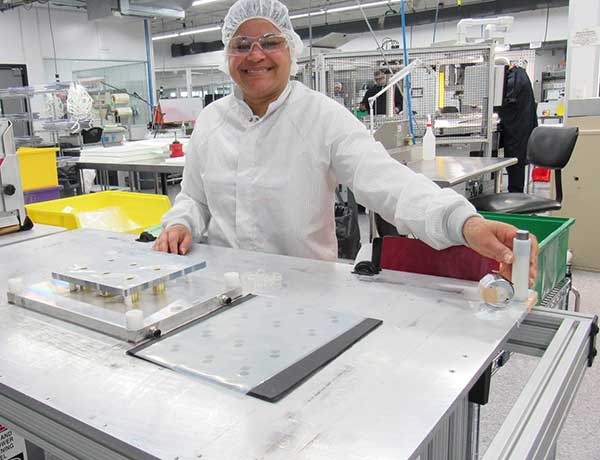
Chicopee, MA

Newburyport, MA

Georgetown, MA

Newburyport, MA
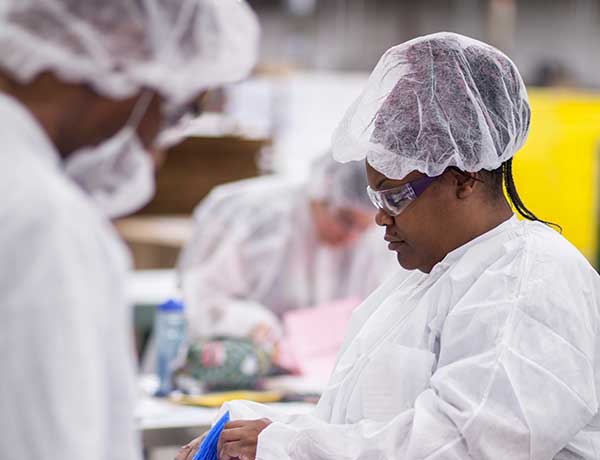
Grand Rapids, MI
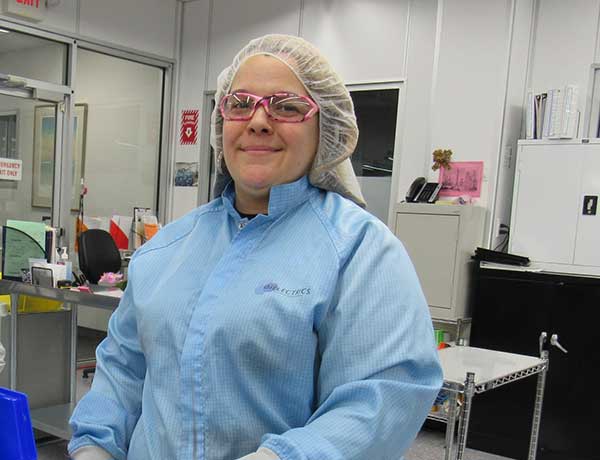
Chicopee, MA
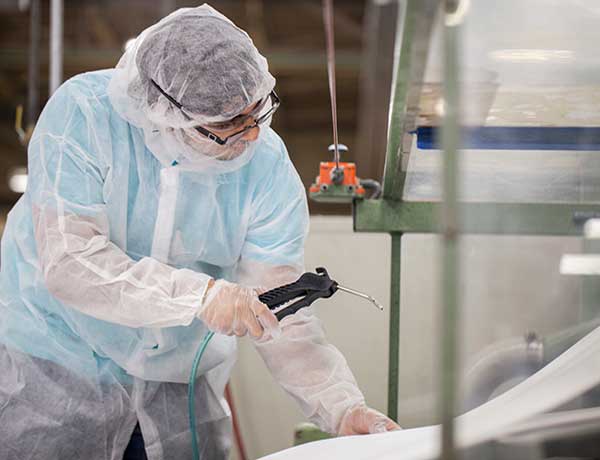
Grand Rapids, MI
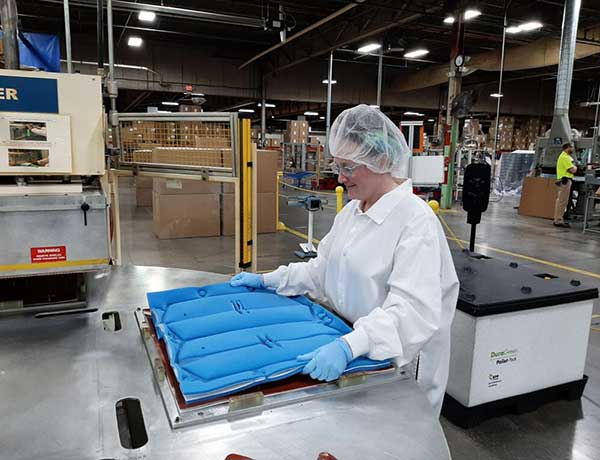
Grand Rapids, MI